

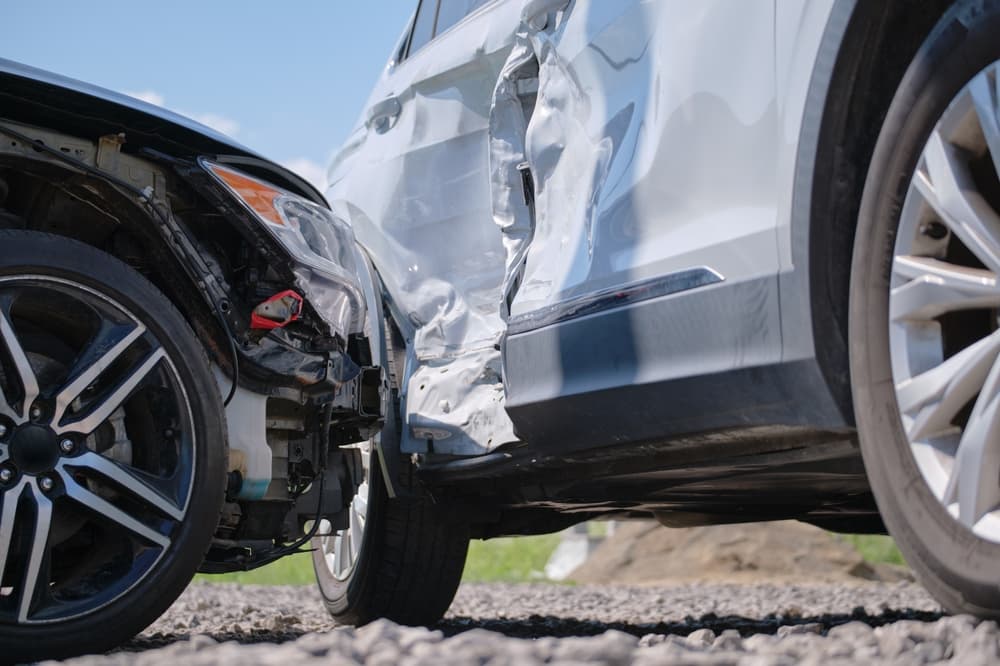
Fault in T-bone accidents depends on which driver violated California right-of-way laws, traffic signals, or safe driving rules at intersections where perpendicular vehicles collide.
T-bone collisions, also called side-impact or broadside crashes, occur when the front of one vehicle strikes the side of another. These accidents produce devastating injuries because vehicle sides offer less protection than fronts or rears. Determining fault requires examining traffic control devices, right-of-way rules, witness statements, and physical evidence that reconstructs what happened in the seconds before impact.
A Best Law car accident attorney represents drivers and passengers injured in T-bone accidents throughout Los Angeles, San Bernardino County, and Riverside County. We investigate intersection crashes, establish liability, and pursue compensation for injuries caused by drivers who run red lights, fail to yield, or violate California traffic laws.
Key Takeaways About California T-Bone Accident Fault
- California right-of-way laws determine fault in most T-bone accidents, with drivers who run red lights, ignore stop signs, or fail to yield during left turns typically bearing primary responsibility
- Side-impact collisions don’t automatically make the striking driver at fault—liability depends on traffic signals, right-of-way rules, and whether either driver violated California Vehicle Code sections governing intersection conduct
- California’s comparative fault system allows recovery even when you share partial responsibility for T-bone crashes, though your compensation reduces by your percentage of fault
- Physical evidence including intersection camera footage, vehicle damage patterns, skid marks, and traffic signal timing records help establish which driver violated right-of-way rules and caused collisions
Common Causes of T-Bone Accidents
Understanding how T-bone collisions occur helps clarify fault patterns in intersection crashes.
Running Red Lights
 California Vehicle Code Section 21453 requires drivers to stop at red traffic signals. Running red lights represents one of the clearest fault scenarios in T-bone accidents because traffic signals explicitly grant right-of-way to cross traffic.
Drivers who enter intersections against red signals violate traffic laws and bear fault for resulting collisions. This applies whether drivers accelerate through lights that turned red seconds earlier or enter intersections during the final moments of yellow lights without sufficient time to clear safely.
Failing to Yield During Left Turns
Left-turning drivers must yield to oncoming traffic under California Vehicle Code Section 21801. This creates common T-bone scenarios when drivers turn left across oncoming lanes without adequate gaps in traffic.
Left-turn T-bone accidents raise questions about whether turning drivers misjudged oncoming vehicle speeds, whether oncoming drivers were speeding, and whether traffic signals gave turning drivers protected green arrows or required them to yield on circular green lights. These details matter significantly for fault determination.
Ignoring Stop Signs
California Vehicle Code Section 21802 requires drivers to stop at limit lines before stop signs and yield to vehicles that arrived at intersections first or approach from the right when arrival timing is simultaneous. Rolling through stop signs or failing to yield after stopping causes T-bone collisions at four-way stops and uncontrolled intersections.
Driving at Unsafe Speeds
Speed limits represent maximum safe speeds under ideal conditions. Drivers approaching intersections too fast for conditions might be unable to stop when traffic signals change or when vehicles with the right-of-way enter intersections. Even drivers with green lights might share fault if excessive speed prevented them from avoiding collisions that slower speeds would have allowed.
Distracted Driving
Drivers texting, adjusting navigation systems, or otherwise distracted miss traffic signals, stop signs, and vehicles entering intersections with right-of-way. California law prohibits handheld phone use while driving, and violation of these laws contributes to fault when distracted drivers cause T-bone collisions.
Driving Under the Influence
Impaired drivers react slowly to changing traffic conditions, misjudge gaps in traffic during left turns, and fail to see traffic control devices. DUI violations establish negligence per se in California, meaning traffic law violations prove negligence automatically in civil cases.
Who Has Right-of-Way at California Intersections
California Vehicle Code establishes clear right-of-way rules that determine fault in most T-bone accidents.
Controlled Intersections With Traffic Signals
 Traffic signals control right-of-way by assigning green, yellow, and red phases to different traffic movements. Drivers facing green lights have the right-of-way over drivers facing red lights. Yellow lights warn that red signals are imminent and require drivers to stop unless already in intersections or too close to stop safely.
Left-turning drivers on circular green lights must yield to oncoming traffic even when they have green lights. Protected green arrows give left-turning drivers right-of-way over oncoming traffic, which faces red signals during protected left-turn phases.
Four-Way Stop Intersections
When all approaches have stop signs, right-of-way goes to vehicles that arrived and stopped first. When vehicles arrive simultaneously, drivers on the right have right-of-way over drivers on the left. This creates clear fault patterns when drivers fail to yield properly after stopping.
Uncontrolled Intersections
At intersections without traffic signals or stop signs, drivers on the right have right-of-way when vehicles arrive simultaneously. Drivers on through streets have the right-of-way over drivers entering from driveways or side streets.
Right Turns on Red
California permits right turns on red lights after a complete stop unless signs prohibit them. Right-turning drivers must yield to pedestrians, bicyclists, and vehicles with green lights. Failure to yield when turning right on red causes T-bone collisions and establishes fault clearly.
Is the Driver Who Hit the Side Always at Fault?
No. Fault depends on right-of-way rules and traffic control devices, rather than the positions of the vehicles at impact.
When the Struck Vehicle Bears Fault
Drivers whose vehicles get T-boned sometimes cause collisions by:
- Running red lights and entering intersections against traffic signals
- Rolling through stop signs without yielding to cross traffic
- Turning left in front of oncoming vehicles with the right-of-way
- Pulling into intersections from driveways without yielding to through traffic
- Re-entering traffic lanes after stopping on the shoulders without checking for approaching vehicles
The driver who got hit broadside might bear primary or complete fault when their actions violated right-of-way laws.
When the Striking Vehicle Bears Fault
Drivers whose vehicles T-bone others sometimes cause collisions by:
- Running red lights and entering intersections without the right-of-way
- Failing to stop at stop signs before proceeding through intersections
- Speeding through intersections too fast to stop when traffic signals change, or when other vehicles enter legally
- Making left turns without yielding to oncoming traffic that has the right-of-way
- Turning right on red without stopping completely or yielding to cross traffic
- Driving while distracted and failing to see traffic control devices or vehicles with the right-of-way
- Driving under the influence and misjudging gaps in traffic or missing traffic signals entirely
The driver whose front strikes another vehicle’s side might bear primary or complete fault when their actions violated California traffic laws or right-of-way rules.
When Both Drivers Share Fault
California’s comparative fault system recognizes that multiple drivers sometimes contribute to T-bone accidents. A driver might have a green light but travel at excessive speed, reducing their ability to avoid collisions when other drivers violate right-of-way rules. Another driver might turn left on yellow lights that turn red before they clear the intersection, while oncoming drivers accelerate to beat the changing signals rather than slowing down safely.
Shared fault scenarios require careful evaluation by an experienced injury lawyer of each driver’s conduct against California traffic laws and reasonable driving standards.
Evidence That Proves Fault in T-Bone Accidents
Physical evidence, witness testimony, and traffic control device records establish which driver violated right-of-way rules.
Intersection Camera Footage
 Red-light cameras, business security systems, and dash cameras capture intersection collisions as they happen. Video evidence shows traffic signal colors, vehicle speeds, which driver entered intersections first, and whether drivers stopped at stop signs or ran through them.
Our attorneys request footage from Los Angeles Department of Transportation, local businesses near crash scenes, and other drivers or witnesses who might have recorded accidents. This evidence must be requested quickly because businesses often delete security footage after a short period.
Traffic Signal Timing Records
Cities maintain records of traffic signal timing at intersections, documenting how long lights stay green, yellow, and red for different traffic movements. These records help establish whether drivers had sufficient yellow light time to clear intersections legally or whether signals changed to red before they entered.
Signal timing records become crucial when drivers dispute who had green lights or whether yellow lights gave adequate warning before red signal changes.
Vehicle Damage Patterns
Where vehicles struck each other reveals which direction each traveled and which parts impacted first. Front-end damage to one vehicle and side damage to another generally confirms that the first vehicle struck the second’s side. The specific location of side damage helps reconstruct which vehicle entered the intersection first.
Severe intrusion damage to struck vehicles’ passenger compartments demonstrates impact force and speed, which helps evaluate whether striking drivers were traveling at excessive speeds when collisions occurred.
Skid Marks and Debris Patterns
Tire marks show where drivers braked before impact. Long skid marks suggest drivers were traveling fast and needed a significant distance to slow. Absence of skid marks indicates drivers never saw hazards or never attempted to stop before collisions.
Debris fields and final vehicle positions help accident reconstructionists calculate speeds and impact angles that establish which driver entered intersections with the right-of-way.
Witness Statements
People who saw T-bone collisions provide critical testimony about traffic signal colors, vehicle speeds, and which driver entered intersections first. Witnesses standing at bus stops, sitting in nearby restaurants, or driving through intersections moments before crashes offer perspectives that verify or contradict driver accounts.
Our attorneys interview witnesses immediately after accidents while memories remain fresh and before insurance companies contact them with leading questions that contaminate their recollections.
Police Reports and Citations
Officers who respond to T-bone accidents document physical evidence, interview drivers and witnesses, and sometimes issue citations for right-of-way violations. Citations for running red lights, failing to yield, or unsafe speeds establish strong presumptions of fault in civil cases.
Police reports aren’t always correct, but they provide important initial documentation of crash circumstances and officer observations about intersection conditions, traffic control devices, and driver statements.
Common T-Bone Accident Scenarios and Fault Determination
Intersection crashes involve fact patterns that test California right-of-way rules. Here are some hypothetical examples of how these rules might determine fault:
Red Light T-Bone at Major Intersections
Driver A travels north through a Los Angeles intersection with a green light. Driver B travels west and enters the intersection against a red light, striking Driver A’s passenger side. Driver B violated California Vehicle Code Section 21453 and would likely bear fault for the collision. Video footage showing Driver B entering against a red signal would establish liability definitively.
Left Turn Across Oncoming Traffic
Driver A waits at an intersection to turn left on a circular green light. After waiting for oncoming traffic to pass, Driver A begins the left turn. Driver B approaches from the opposite direction traveling 50 mph in a 35 mph zone. Driver B strikes Driver A’s passenger side midway through the intersection.
Driver A violated the duty to yield to oncoming traffic under California Vehicle Code Section 21801. However, Driver B’s excessive speed might reduce Driver A’s fault percentage significantly if evidence shows Driver B would have passed through safely had they obeyed speed limits. California’s comparative fault system could allow recovery for both drivers based on their respective percentages of responsibility.
Four-Way Stop Confusion
Drivers A and B arrive at a four-way stop from perpendicular directions. Both drivers stop briefly. Driver A believes they stopped first and proceeds. Driver B also proceeds, believing they arrived first. The vehicles collide in the intersection.
Witness testimony and intersection camera footage would determine who actually stopped first and held the right-of-way. If arrival times were truly simultaneous, California law gives right-of-way to the driver on the right. Without clear evidence of who arrived first, fault might be shared equally between drivers.
Uncontrolled Intersection
Driver A travels on a residential through street in Inglewood. Driver B pulls out from a side street without a stop sign. Driver B fails to see Driver A’s approaching vehicle and pulls into the intersection. Driver A strikes Driver B’s passenger side.
Driver B entered from the side street and violated the duty to yield to traffic on the through street. Driver B would likely bear primary fault. However, if evidence shows Driver A was speeding significantly or distracted and could have avoided the collision, comparative fault might reduce Driver B’s liability percentage.
FAQ About Fault and T-Bone Accidents
Who Is Usually at Fault in T-Bone Collisions?
The driver who violates California right-of-way laws typically bears fault. This most commonly means drivers who ran red lights, ignored stop signs, or failed to yield during left turns. However, fault determination requires examining specific evidence rather than assuming the striking driver is always responsible.
What If the Other Driver Claims I Ran the Red Light?
Conflicting driver accounts require independent evidence to resolve. Intersection cameras, witness testimony, traffic signal timing records, and vehicle damage patterns help establish which driver actually had the right-of-way. Police reports documenting officers’ observations and any citations issued also influence fault determination.
How Does Speeding Affect Fault in T-Bone Accidents?
Excessive speed might establish partial fault even when drivers had the right-of-way. California requires drivers to travel at reasonable speeds that allow them to stop safely when conditions require it. Drivers with green lights who are speeding excessively might share fault if slower speeds would have allowed them to avoid collisions when other drivers violated right-of-way rules.
How Long Do I Have to File a Claim After T-Bone Collisions?
California provides two years from the accident date to file personal injury lawsuits. However, evidence deteriorates quickly. Insurance companies must be notified promptly, as per the policy terms. Consulting attorneys immediately after T-bone accidents protects evidence and strengthens claims.
Los Angeles T-Bone Accidents Require Immediate Investigation
Intersection collisions happen in seconds, but their legal and financial consequences extend for years. Determining fault requires more than driver statements. It demands a comprehensive investigation of physical evidence, traffic control systems, and California right-of-way laws.
Best Law represents T-bone accident victims throughout Los Angeles, San Bernardino, and Riverside Counties, where congested intersections, aggressive driving, and distracted motorists create dangerous conditions daily. Attorney Elissa Best’s experience working for insurance companies now serves injured people facing insurers’ fault-shifting strategies.
Contact Best Law for a free consultation about your T-bone accident. Our No Win, No Fee Guarantee means you pay nothing unless we recover for you.
