

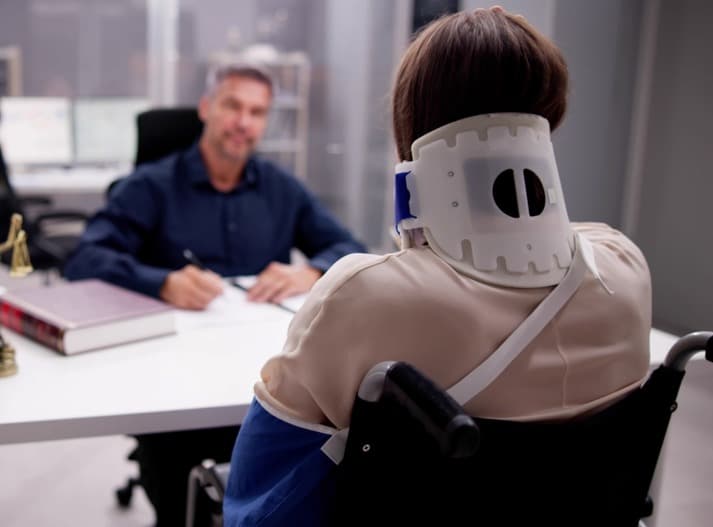
A Los Angeles neck injury lawyer investigates accident liability, secures medical documentation proving cervical spine injuries, negotiates with insurance companies, and pursues compensation for treatment costs, lost wages, and pain stemming from whiplash, herniated discs, and other neck trauma.
Neck injuries range from cervical strains causing temporary discomfort to herniated discs producing chronic pain and nerve damage that limit work capacity and daily activities for months or years. Insurance companies might try to minimize these injuries as “soft tissue” claims unworthy of significant compensation, despite medical evidence showing otherwise.
Legal representation protects your right to recovery by building cases that document injury severity, establish causation linking trauma to accidents, and calculate damages reflecting actual impacts on your life. Best Law represents accident victims with neck injuries throughout Los Angeles, San Bernardino County, and Riverside County, advocating for fair compensation for neck injury survivors.
Key Takeaways About Legal Help for Neck Injuries
- Attorneys secure comprehensive medical documentation, including imaging studies, specialist evaluations, and treatment records that prove neck injury severity when insurance companies dismiss claims as minor soft tissue damage
- Lawyers establish causation linking cervical spine injuries to specific accidents by obtaining, when needed, accident reconstruction analyses, biomechanical expert opinions, and medical testimony connecting trauma mechanisms to diagnosed conditions
- Legal representation protects against insurance company strategies that exploit delayed symptoms, pre-existing degenerative changes, or treatment gaps to reduce claim values or deny compensation entirely
- California’s two-year statute of limitations for personal injury claims requires prompt legal action
Common Neck Injuries From Accidents
Neck injuries produce symptoms ranging from stiffness and soreness to debilitating pain, numbness, and functional limitations affecting work and daily life.
Cervical Strains and Sprains
 Cervical strains involve stretched or torn neck muscles, while sprains affect ligaments connecting vertebrae. These soft tissue injuries commonly result from sudden acceleration-deceleration forces in rear-end collisions that cause hyperextension when heads snap backward and hyperflexion when they rebound forward.
Symptoms include neck pain and stiffness, reduced range of motion, headaches starting at the skull base, and shoulder pain. Treatment involves physical therapy, pain management, and sometimes muscle relaxants or anti-inflammatory medications. Recovery might take weeks to months, depending on injury severity.
Herniated and Bulging Cervical Discs
Discs cushion the vertebrae throughout the spine. Trauma forces these discs to bulge outward or herniate, allowing inner disc material to protrude through outer layers. Common injury locations include C5-C6 and C6-C7 levels, where the neck experiences significant stress during impacts.
Herniated discs pressing on nerve roots cause cervical radiculopathy, producing arm pain, numbness, tingling, and weakness following specific nerve pathways. These neurological symptoms distinguish herniated discs from simple muscle strains.
Cervical Radiculopathy and Pinched Nerves
Nerve compression from herniated discs, bone spurs, or post-traumatic swelling causes radiating symptoms down the arms into the hands and fingers. Specific nerve roots produce characteristic patterns: C6 radiculopathy affects thumbs and index fingers, while C7 involves middle fingers, and C8 impacts ring and pinky fingers.
Diagnostic testing, including nerve conduction studies and electromyography, confirms nerve damage and rules out other causes of arm symptoms.
Facet Joint Injuries
Small joints connecting vertebrae can suffer capsular tears, cartilage damage, and inflammation from accident forces. Facet joint injuries produce localized neck pain worsening with extension and rotation, headaches, and referred pain between the shoulder blades.
These injuries sometimes respond poorly to standard treatments and require specialized interventions like facet joint injections or radiofrequency ablation.
Chronic Neck Pain After Accidents
Some neck injuries produce persistent symptoms lasting months or years after accidents. Chronic pain develops from incomplete healing, structural changes, or sensitization of pain pathways. Long-term symptoms require ongoing treatment, work modifications, and sometimes permanent restrictions affecting earning capacity.
What Neck Injury Lawyers Do for Accident Victims
Legal representation addresses challenges accident victims face when pursuing compensation for cervical spine injuries.
Securing Comprehensive Medical Documentation
Insurance companies dispute neck injury severity by claiming injuries are minor, unrelated to accidents, or pre-existing. Attorneys work with medical providers to obtain documentation that proves the extent of the injury and the cause of the accident.
This documentation includes:
- Emergency room records showing immediate post-accident complaints
- Diagnostic imaging demonstrating structural damage
- Orthopedic or neurosurgical evaluations assessing injury severity
- Physical therapy records documenting functional limitations
- Pain management records showing treatment progression
MRI studies reveal herniated discs, nerve compression, and ligament damage invisible on X-rays. Insurance companies sometimes argue accident victims don’t need advanced imaging for “minor” neck pain, but herniated discs and nerve injuries require MRI confirmation for maximum claim value.
Establishing Causation Between Accidents and Injuries
Proving neck injuries resulted from specific accidents rather than pre-existing degeneration or unrelated causes requires connecting trauma mechanisms to diagnosed conditions.
When warranted, our San Bernardino County injury attorney works with multiple types of experts:
- Accident reconstruction experts analyze impact forces, vehicle speeds, and collision dynamics, showing forces sufficient to cause cervical spine trauma
- Biomechanical engineers explain how specific crash characteristics produce hyperextension-hyperflexion injuries or disc herniations
- Medical experts testify that injury patterns, symptom timing, and diagnostic findings are consistent with acute trauma rather than degenerative processes
When pre-existing degenerative changes appear on imaging, medical experts distinguish between asymptomatic age-related changes and traumatic injury aggravating underlying conditions. California law permits recovery for aggravation of pre-existing conditions, but documentation must prove accidents worsened prior states.
Handling Delayed Symptom Arguments
Neck injury symptoms sometimes appear hours or days after accidents as adrenaline wears off and inflammation develops. Insurance companies exploit these delays, arguing symptoms prove injuries weren’t serious or aren’t accident-related.
Your Riverside County injury lawyer addresses delayed symptoms by obtaining medical testimony explaining why soft tissue injuries and even herniated discs might not produce immediate pain, documenting the gap between accidents and symptom onset with medical records showing when complaints began, and establishing that prompt medical attention occurred once symptoms manifested.
California law recognizes delayed injury symptoms and permits claims when accidents caused injuries that became apparent later. The discovery rule extends the two-year statute of limitations deadline when injuries weren’t immediately discoverable, though this exception requires careful legal analysis.
Calculating Comprehensive Damages
Insurance companies offer settlements covering initial emergency room visits and a few physical therapy sessions. These early offers ignore ongoing treatment needs, work limitations, and long-term impacts on quality of life.
Our injury attorney calculates comprehensive damages, including:
- Past and future medical expenses for treatment, surgery, pain management, and rehabilitation
- Lost wages from missed work during recovery
- Loss of earning capacity when injuries prevent returning to prior occupations
- Pain and suffering reflecting physical discomfort and emotional distress
- Loss of enjoyment of life when injuries limit activities and hobbies
When needed, economic experts can project future costs associated with injuries that require ongoing care. Similarly, vocational experts evaluate how cervical spine injuries with permanent restrictions affect employment options and earning potential.
Negotiating With Insurance Companies
Insurance adjusters may try to minimize neck injury claims using several strategies:
- Disputing injury severity by calling them “soft tissue” injuries unworthy of significant compensation
- Arguing that symptoms stem from pre-existing degenerative changes visible on imaging
- Claiming treatment gaps or delayed care proves injuries weren’t serious
- Offering quick settlements before the extent of the injury becomes clear
Our personal injury lawyer counters these arguments with medical evidence, documents treatment consistently, and refuses inadequate settlement offers. Strong evidence and willingness to litigate motivate insurers to make reasonable settlement offers.
Filing Lawsuits When Necessary
Some cases require litigation when insurance companies refuse fair settlements. Our attorneys file personal injury lawsuits, conduct discovery to obtain additional evidence, depose defense medical experts who attempt to minimize injuries, and present cases to juries that decide liability and damages.
Trial preparation strengthens settlement negotiations because insurance companies recognize attorneys who are prepared to litigate seriously.
Managing Medical Liens and Bills
Medical providers treating uninsured patients or those whose health insurance doesn’t cover accident-related care sometimes file liens against settlements. Hospitals, ambulance services, and specialists claim portions of recoveries for unpaid services.
A Compton injury attorney can negotiate these liens downward, preserving more settlement proceeds for injured clients rather than paying full billed amounts. Health insurance subrogation claims also require negotiation when insurers demand reimbursement for benefits paid.
Proving Neck Injury Severity and Value
Insurance companies might dispute whether neck injuries warrant compensation beyond minimal amounts. Evidence demonstrating injury impacts on daily life strengthens claims.
Diagnostic Imaging Results
 MRI studies showing herniated discs, nerve compression, ligament tears, or facet joint damage provide objective evidence of structural injury. CT scans reveal fractures or bony abnormalities. X-rays document alignment issues and rule out serious injuries requiring emergency treatment.
Radiologists’ reports interpreting these studies become crucial evidence. When insurance companies hire defense medical examiners who claim injuries are minor or pre-existing, your treating physicians’ imaging interpretations counter these opinions.
Specialist Evaluations and Opinions
Orthopedic surgeons, neurosurgeons, and pain management specialists provide opinions about injury severity, treatment necessity, prognosis, and permanent impairment. These specialists testify that injuries are consistent with accident trauma and require ongoing care.
Functional capacity evaluations test physical abilities and document restrictions affecting work activities. These objective assessments show lifting limitations, prolonged sitting/standing restrictions, and other functional impacts.
Treatment Records Documenting Injury Progression
Consistent medical treatment creates records showing injury severity and recovery challenges. Physical therapy notes document range of motion limitations, pain levels, and functional improvements or setbacks. Pain management records show injection treatments, medication trials, and interventions attempted when conservative care fails.
Treatment gaps allow insurance companies to argue that injuries were resolved or weren’t serious. Attorneys address legitimate reasons for gaps, including financial barriers, work conflicts, or provider availability, while emphasizing that gaps don’t negate injury severity.
Personal Impact Documentation
Journals documenting daily pain levels, activities you can’t perform, work tasks that cause increased symptoms, and social activities you’ve abandoned help demonstrate real-world injury impacts beyond medical jargon.
Testimony from family members, coworkers, and friends who witness your functional limitations and personality changes provides additional evidence of injury severity.
Addressing Pre-Existing Neck Conditions in Your California Injury Claim
Many adults show degenerative changes on cervical spine imaging. Insurance companies might argue these findings prove injuries existed before accidents and aren’t compensable.
California’s eggshell plaintiff rule establishes that defendants take victims as they find them. This means that even when pre-existing degenerative changes exist, accidents that aggravate these conditions and produce new symptoms still create liability.
Medical experts distinguish between asymptomatic degeneration and traumatic aggravation by comparing pre-accident and post-accident symptoms, identifying acute traumatic findings on imaging separate from chronic degeneration, and establishing that accident forces were sufficient to cause new injury.
If you were asymptomatic before the accident but developed pain afterward, pre-existing imaging findings don’t prevent recovery. You’re entitled to compensation for worsened conditions even when an underlying vulnerability existed.
FAQ: Legal Help for Neck Injuries
Do I Need an MRI for My Neck Injury Claim?
MRI studies provide the strongest evidence of herniated discs, nerve compression, and ligament injuries invisible on X-rays. While not every neck injury requires MRI, objective imaging evidence can be more reliable than general symptom complaints.
What If My Neck Symptoms Appeared Days After the Accident?
Delayed neck injury symptoms are common as adrenaline masks pain initially, and inflammation develops over hours or days. California law recognizes delayed symptoms and permits claims when accidents caused injuries that became apparent later. Seeking medical attention promptly once symptoms appear.
What If the At-Fault Driver Has No Insurance?
Uninsured motorist coverage on your own auto insurance policy provides compensation when at-fault drivers lack insurance. Underinsured motorist coverage supplements inadequate liability policies. Car accident attorneys pursue available insurance sources to provide recovery.
How Long Do Neck Injury Cases Take in Los Angeles?
Case timelines vary based on injury severity, treatment duration, and whether settlement negotiations succeed or litigation becomes necessary. Generally, you don’t want to rush settlement before understanding the full injury impacts and reaching maximum medical improvement.
Don’t Let Insurance Companies Minimize Your Neck Injury
Cervical spine injuries disrupt work, limit activities, and produce pain that affects every aspect of daily life. Insurance companies that treat these injuries as minor inconveniences ignore medical reality and legal obligations to compensate you fully.
Best Law represents neck injury victims throughout Los Angeles, San Bernardino, and Riverside Counties. Attorney Elissa Best’s background working for insurance companies now serves injured people facing insurers’ claim-minimizing strategies. We understand how adjusters dispute cervical spine injuries and what medical evidence overcomes their defenses.
Contact Best Law for a free consultation about your neck injury. We explain whether you have viable claims, what evidence strengthens your case, and how compensation might address medical bills, lost income, and ongoing treatment needs. Our No Win, No Fee Guarantee means you pay nothing unless we recover for you.
