


Yes, you can sue for negligence in California when someone’s failure to use reasonable care causes injuries, provided you prove duty, breach, causation, and damages within the state’s two-year statute of limitations.
Negligence lawsuits allow injured people to recover compensation from individuals, businesses, or government entities whose careless conduct caused harm. California law doesn’t require proving the defendant intended to cause injury—only that they failed to act with the care a reasonable person would use in similar circumstances.
Best Law represents negligence victims throughout Los Angeles, San Bernardino County, and Riverside County. We investigate liability, build cases proving the elements of negligence, and pursue compensation for injuries caused by careless drivers, negligent property owners, and others who failed to meet their duty of care.
Key Takeaways About Suing for Negligence in California
- California negligence claims require proving four elements: the defendant owed you a duty of care, they breached that duty through unreasonable conduct, their breach was a substantial factor causing your injuries, and you suffered actual damages
- Pure comparative negligence rules allow you to recover compensation even when you share fault for accidents, though your recovery reduces by your percentage of responsibility
- California’s two-year statute of limitations for most negligence claims begins on injury dates, while government entity cases require administrative claims within six months
- Successful negligence cases demand evidence, including accident scene documentation, witness statements, medical records linking injuries to incidents, and , in some cases, expert testimony establishing breach of duty and causation
What Is Negligence Under California Law?
Negligence means failing to exercise reasonable care under the circumstances, resulting in harm to others. California Civil Jury Instructions No. 401 defines negligence as conduct falling below the standard of care a reasonably careful person would use in similar situations.
Negligence differs from intentional wrongdoing. Defendants don’t need to intend harm to be negligent. Their carelessness alone creates liability when it causes injuries. A driver texting at a stoplight who rear-ends your vehicle acted negligently even without intending to crash. A property owner who fails to repair broken stairs committed negligence when visitors fall, regardless of whether they wanted anyone hurt.
The Four Elements of Negligence Claims
California law requires proving four elements to establish negligence liability. Missing any element defeats claims regardless of how sympathetic your situation might be.
Duty of Care
The defendant owed you a legal obligation to act reasonably under the circumstances. Drivers owe other motorists, pedestrians, and cyclists a duty to operate vehicles safely. Property owners owe visitors a duty to maintain reasonably safe premises. Manufacturers owe consumers a duty to design and produce safe products.
Some relationships create automatic duties, like doctors to patients, teachers to students, and employers to employees. Other situations require analyzing whether reasonable people would recognize obligations to prevent foreseeable harm.
Breach of Duty
The defendant violated their duty through action or inaction falling below reasonable care standards. Speeding through residential neighborhoods breaches the duty to drive safely. Leaving icy walkways untreated when snow is forecasted breaches property owners’ duties. Failing to warn about known hazards breaches duties to protect visitors from harm.
Breach determinations involve comparing defendant conduct to what hypothetical reasonable people would do in identical circumstances. Would reasonable drivers speed through school zones? Would reasonable property owners ignore broken handrails? These questions define breach.
Causation
The defendant’s breach was a substantial factor causing your injuries. California uses “substantial factor” causation rather than requiring breaches to be the sole cause. If multiple factors contributed to injuries, but the defendant’s negligence substantially contributed, causation is satisfied.
You must prove both cause-in-fact and proximate cause. Cause-in-fact asks whether injuries would have occurred without the breach. Proximate cause asks whether the harm was a foreseeable result of the negligent conduct.
Damages
You suffered actual harm compensable through money damages. Physical injuries, property damage, lost income, medical expenses, and pain and suffering all qualify as damages. Emotional distress alone sometimes satisfies this element when severe, though physical injury claims are more straightforward.
Without damages, negligence claims fail even when defendants clearly breached duties. You can’t sue for negligence simply because someone acted carelessly if that carelessness didn’t harm you.
Common Types of Negligence Cases in Los Angeles
Negligence liability applies across various accident types when careless conduct causes injuries.
Motor Vehicle Negligence
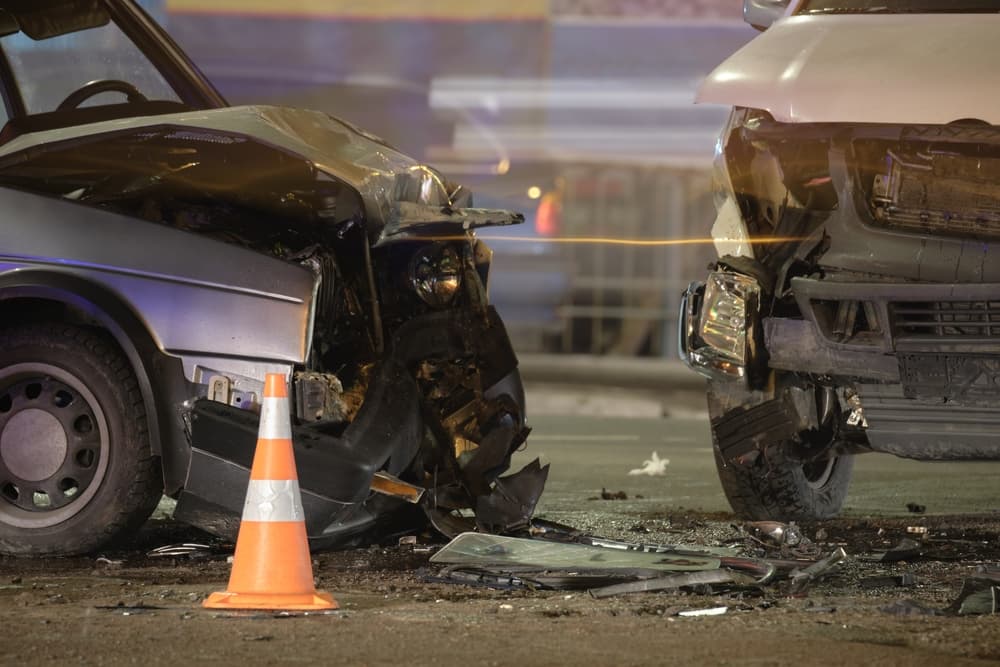 Car, truck, motorcycle, bicycle, and pedestrian accidents often stem from driver negligence. Common negligent driving behaviors include:
- Speeding or driving too fast for conditions
- Running red lights or stop signs
- Failing to yield the right-of-way
- Following too closely
- Distracted driving, including texting
- Driving under the influence of alcohol or drugs
- Unsafe lane changes or merging
California Vehicle Code violations create strong evidence of breach because statutes define minimum safety standards. Violating traffic laws proves negligence per se in civil cases, meaning breach is established automatically.
Premises Liability Negligence
Property owners must maintain reasonably safe conditions for visitors. Negligent property maintenance causing injuries includes unrepaired broken stairs or handrails, inadequate lighting creating trip hazards, slippery floors without warning signs, defective security allowing assaults, and dangerous parking lot conditions.
Premises liability depends on visitor status. Property owners owe higher duties to invitees (customers, tenants) than to trespassers. However, even trespassers might recover when property owners create deliberate hazards or know about frequent trespassing without addressing dangers.
Proving Your Negligence Case
Building strong negligence claims requires comprehensive evidence establishing each element.
Documenting the Accident Scene
Immediate evidence preservation protects claim strength. Important documentation includes:
- Photographs of accident locations, hazards, vehicle damage, and injuries
- Witness contact information and statements about what they observed
- Police reports or incident reports documenting official investigations
- Video footage from security cameras, dash cams, or surveillance systems
- Weather conditions, lighting, and environmental factors affecting visibility or safety
This evidence disappears quickly. Businesses delete security footage after weeks or months. Witnesses forget details. Skid marks fade. Prompt documentation preserves facts before they’re lost.
Medical Records Linking Injuries to Incidents
Medical documentation proves both that you were injured and that injuries resulted from the defendant’s negligence rather than pre-existing conditions or unrelated causes. Seek medical attention immediately after accidents, even when injuries seem minor.
Gaps between accidents and initial medical treatment allow defendants to argue injuries weren’t serious or stemmed from other sources. Prompt care creates contemporaneous records connecting injuries to specific incidents.
Expert Testimony Establishing Breach and Causation
Complex negligence cases might require expert witnesses explaining how defendants breached duties and caused harm. Accident reconstruction experts analyze crash dynamics, speeds, and impact forces, showing what happened and whether drivers acted reasonably. Engineering experts evaluate property conditions, building code compliance, and whether hazards were foreseeable and preventable. Medical experts testify about injury causation, treatment necessity, and prognosis.
Defendant Statements and Admissions
Statements defendants make at accident scenes, to police, or during depositions sometimes constitute admissions of fault. Apologies, explanations, or acknowledgments of rule violations all provide evidence of breach. However, California Evidence Code Section 1160 makes some sympathetic statements inadmissible, so not every apology proves liability.
Social media posts, text messages, and emails sometimes reveal negligent conduct. Defendants posting about driving while intoxicated or ignoring known property hazards creates powerful evidence of breach.
California’s Comparative Negligence Rule
California applies pure comparative negligence to injury claims, meaning you can recover compensation even when you share fault for accidents. Juries or judges assign fault percentages to all parties whose negligence contributed to accidents. Your recovery reduces by your fault percentage.
Insurance companies and defense attorneys minimize claim values by arguing that plaintiffs share significant fault. Building evidence showing defendants bear primary responsibility protects against excessive fault allocation that reduces compensation significantly.
Proposition 51 and Several Liability
California’s Proposition 51, codified in Civil Code Section 1431.2, affects how multiple defendants pay judgments. For economic damages like medical bills and lost wages, defendants pay proportionally to their fault. For non-economic damages like pain and suffering, each defendant only pays their share.
This means if two defendants are each 50% responsible, you can’t collect your entire non-economic damage award from one defendant even if the other can’t pay. Each pays only their 50% share. However, for economic damages, you can collect the full amount you’re owed from any defendant, who then seeks contribution from other responsible parties.
California’s Statute of Limitations for Negligence Claims
Legal deadlines create urgency around pursuing negligence claims.
Two-Year Standard Deadline
 California Code of Civil Procedure Section 335.1 establishes a two-year statute of limitations for personal injury negligence claims. This deadline begins on the date injuries occur and bars lawsuits filed after two years expire.
Missing this deadline eliminates your right to sue regardless of how strong your case might be or how severely you were injured. Courts rarely excuse late filings except in extraordinary circumstances.
The discovery rule extends deadlines when injuries or their causes weren’t immediately apparent. If you couldn’t reasonably discover injuries until later, the two-year period might begin when you discovered or should have discovered them. However, this exception requires careful legal analysis by an experienced injury lawyer.
Six-Month Government Claim Deadline
Negligence claims against California government entities follow different rules. Before suing cities, counties, state agencies, or their employees, you must file administrative claims with the appropriate government office within six months of the incident.
Government entities include the City of Los Angeles, Los Angeles County, California Department of Transportation, public schools and universities, transit authorities, and any other public agencies. Dangerous road conditions, accidents involving government vehicles, injuries on public property, and incidents at government facilities all trigger these requirements.
Missing the six-month deadline typically bars lawsuits permanently. Limited late claim relief exists for minors and in rare circumstances, but relying on these exceptions is risky.
Property Damage Claims
Negligence claims seeking only property damage compensation follow a three-year statute of limitations under California Code of Civil Procedure Section 338(c)(1). However, injury claims filed within two years can include property damage as additional damages.
Damages Recoverable in Negligence Cases
Successful negligence claims compensate various losses stemming from injuries.
Economic Damages
Economic damages address quantifiable financial losses:
- Medical expenses, including emergency care, hospitalization, surgery, medication, physical therapy, and future treatment costs
- Lost wages from missed work during recovery
- Loss of earning capacity when injuries prevent returning to prior occupations or reduce income potential
- Property damage to vehicles, personal belongings, or other damaged items
Economic damages require documentation through medical bills, employment records, repair estimates, and, if necessary, expert testimony about future costs and lost income.
Non-Economic Damages

Non-economic damages compensate intangible harms:
- Pain and suffering from physical discomfort and limitations
- Emotional distress including anxiety, depression, and trauma
- Loss of enjoyment of life when injuries prevent activities and hobbies
- Loss of consortium affecting spousal relationships
- Disfigurement and scarring
California doesn’t cap non-economic damages in most negligence cases.
Punitive Damages
Punitive damages punish particularly egregious conduct and deter future wrongdoing. California permits punitive damages when defendants acted with malice, oppression, or fraud. Driving under the influence, knowingly creating dangerous conditions, or deliberately ignoring serious safety hazards might support punitive damage claims.
Punitive damages are rare and require clear and convincing evidence of reprehensible conduct beyond ordinary negligence.
FAQ About Suing for Negligence in California
What’s the Difference Between Negligence and Gross Negligence?
Negligence means failing to exercise reasonable care, while gross negligence involves extreme carelessness or reckless disregard for others’ safety. Gross negligence claims are harder to prove but may support punitive damages. Examples include driving at excessive speeds through crowded areas, ignoring multiple safety violations, or consciously disregarding obvious dangers that could cause serious harm.
Can I Sue for Negligence If There’s a Criminal Case Against the Defendant?
Yes. Criminal and civil cases are separate proceedings with different standards of proof. Criminal cases require proof beyond a reasonable doubt, while negligence lawsuits require proof by a preponderance of the evidence. You can pursue civil negligence claims regardless of whether criminal charges are filed, and criminal convictions strengthen civil cases by establishing that defendants violated laws.
What If the Negligent Party Dies Before I File My Lawsuit?
You can still pursue negligence claims against the deceased person’s estate. California law allows claims against estates within the statute of limitations period. The estate’s representative defends the lawsuit, and any judgment is paid from estate assets. This situation requires filing claims in probate court alongside the negligence lawsuit in some circumstances.
Does Insurance Always Cover Negligence Claims?
Not always. Insurance policies contain exclusions for intentional acts, certain types of conduct, or damages exceeding policy limits. Some defendants have no insurance coverage at all. Your own uninsured/underinsured motorist coverage may provide compensation when at-fault parties lack adequate insurance. Business liability policies, homeowners’ insurance, and auto insurance cover different negligence types with varying limits and exclusions.
Do I Have to Go to Court or Can My Case Settle?
Most negligence cases settle before trial through negotiations between attorneys and insurance companies. Settlements provide faster resolution and avoid trial unpredictability. However, preparing cases as though a trial is inevitable strengthens negotiating positions because insurers settle more reasonably when they recognize that attorneys are ready to litigate.
Questions About Negligence Deserve Straight Answers
Someone’s carelessness left you injured, and now you’re managing medical bills, missed work, and insurance companies that seem more interested in closing files than addressing what actually happened. California negligence law provides options, but only if you understand what qualifies and how long you have to act.
Best Law handles negligence cases throughout Los Angeles, San Bernardino, and Riverside Counties. We evaluate whether defendants owed and breached duties, whether their conduct caused your injuries, and what evidence builds strong claims.
Attorney Elissa Best’s background working for insurance companies now serves injured people facing insurers’ liability-minimizing tactics. We recognize the arguments adjusters use to dispute negligence elements and know what documentation overcomes their defenses.
Contact us for a free consultation about your situation. Our No Win, No Fee Guarantee means you pay nothing unless we recover for you.
