

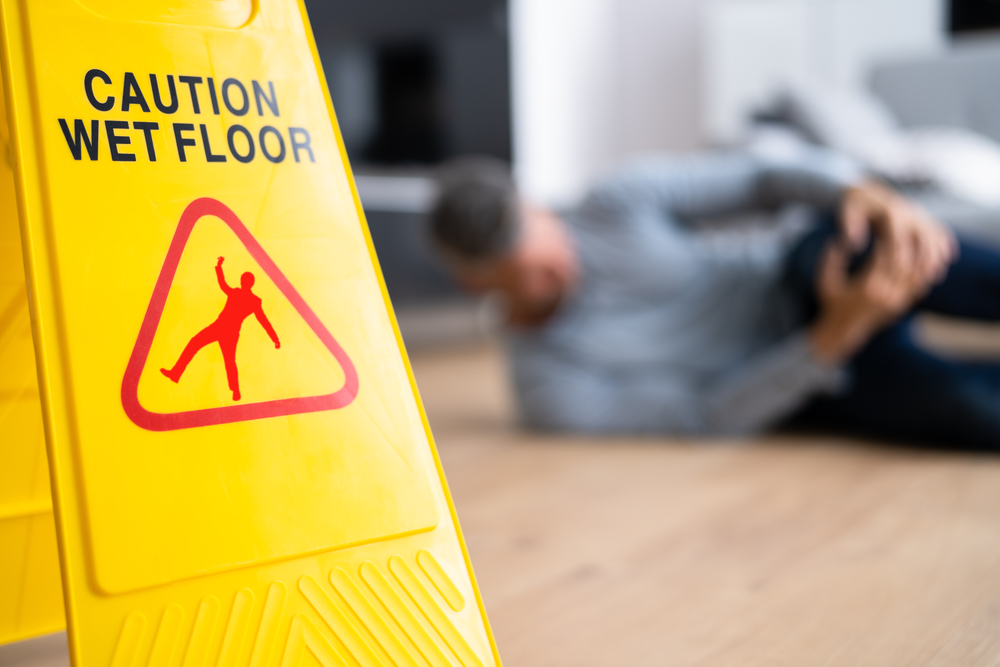
Yes, you can often sue a property owner if you are injured on their property, but it depends on whether the owner’s carelessness or negligence led to your accident. Simply getting hurt on someone else’s land or in their building isn’t enough; you must be able to show that the owner failed to keep their property reasonably safe, and this failure was the direct cause of your injuries.
Because holding a property owner accountable can be complex, it often helps to understand how a premises liability lawyer can help you after an accident and guide you through the legal process. Understanding what it takes to build a case can help you seek justice and recover the compensation you need to heal.
Key Takeaways for Can You Sue Someone if You Are Injured on Their Property
- A person injured on someone else’s property may be able to file a lawsuit if the property owner was negligent.
- The legal concept governing these cases is known as “premises liability,” which holds owners responsible for maintaining a reasonably safe environment.
- The success of a claim often depends on proving that the property owner knew or should have known about a dangerous condition and failed to fix it or warn others.
- A visitor’s legal status (e.g., a customer, a social guest, or a trespasser) can affect the extent of the property owner’s duty of care.
- Evidence, such as photos of the hazard, witness statements, and medical records, is critical in a premises liability case.
- California has a specific time limit, known as the statute of limitations, for filing a personal injury lawsuit.
Understanding “Premises Liability” in California
When you hear lawyers talk about getting injured on someone’s property, they often use the term premises liability. This is just a legal way of saying that property owners have a responsibility to keep their property in a reasonably safe condition for people who visit. It’s a concept rooted in the idea of a “duty of care.”
A duty of care is a legal obligation to act with a certain level of caution and prudence to avoid harming others. In California, all property owners have this duty. This applies to everyone from a homeowner in the San Fernando Valley to the corporation that owns a large shopping center like The Grove.
What does this duty of care involve? It generally includes:
- Regularly inspecting the property to look for any potential dangers.
- Making timely repairs to fix known hazards, like a broken handrail or a loose floorboard.
- Placing adequate warnings around dangers that can’t be fixed immediately, such as putting up a “Wet Floor” sign after mopping.
This means an owner can’t simply ignore a problem and hope no one gets hurt. They have a proactive responsibility to identify and address risks to protect visitors.
The Key to a Successful Claim: Proving Negligence
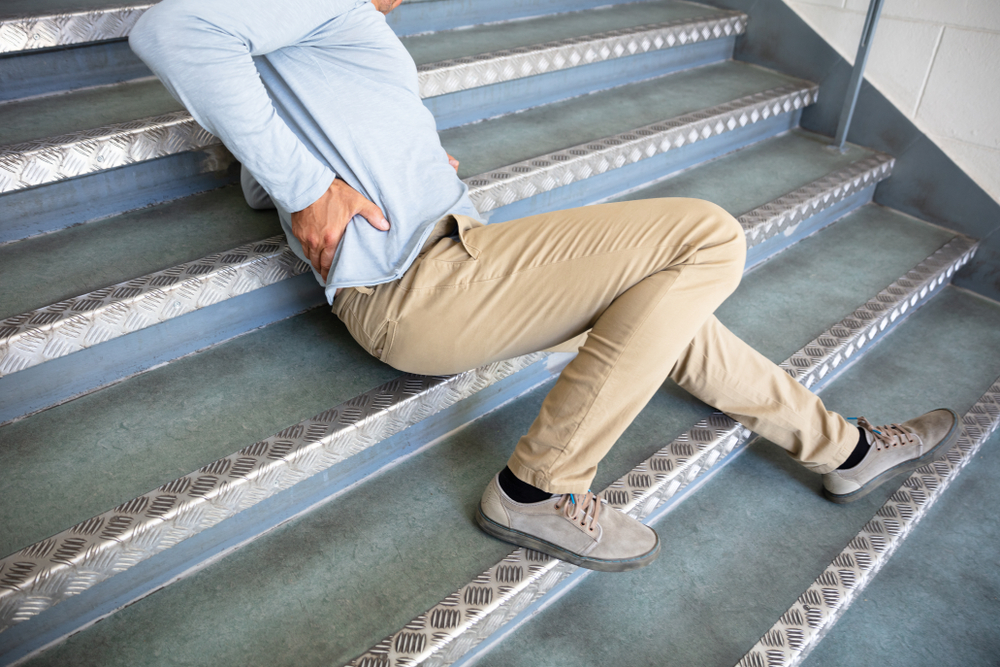
To successfully sue for an injury on someone’s property, you and your legal team must prove that the property owner was negligent. Negligence isn’t just a simple mistake; it’s a specific legal standard that means the owner failed in their duty of care, and that failure caused your injury.
There are four key elements you must establish to prove negligence in a premises liability case:
- Duty: The property owner owed you a legal duty of care to maintain a reasonably safe property. This is almost always true for lawful visitors.
- Breach: The property owner breached, or violated, that duty. This could mean they didn’t clean up a spill, failed to fix a pothole in their parking lot, or didn’t provide enough light in a dark hallway.
- Causation: The owner’s breach of duty was the direct and foreseeable cause of your injuries. In other words, you wouldn’t have been hurt if not for the owner’s carelessness.
- Damages: You suffered actual harm as a result. This includes physical injuries, medical bills, lost income from being unable to work, and emotional distress.
Imagine slipping on a puddle of leaked refrigerant in a grocery store in Echo Park. To prove negligence, you would need to show the store knew (or should have known) about the leak, had time to clean it up or place a warning sign, but failed to do so, which directly caused your fall and resulting injuries.
Does It Matter Why You Were on the Property?
While California law focuses on whether the property owner acted reasonably, the reason you were on the property is still a very important factor in determining what is considered “reasonable.” Traditionally, visitors were classified into three categories, and these concepts still help us understand the level of care an owner is expected to provide.
- Invitee: This is someone invited onto the property for the owner’s commercial benefit, like a customer in a store, a diner in a restaurant, or a fan at Dodger Stadium. Invitees are owed the highest duty of care. Owners must actively inspect for dangers, repair them, and warn of any hazards.
- Licensee: This is a social guest, like a friend you invite over for a barbecue or a family member visiting your home. The owner has a duty to warn a licensee of any dangerous conditions they know about, but that the guest is unlikely to discover on their own.
- Trespasser: This is someone who enters the property without permission. Generally, property owners owe the lowest duty of care to adult trespassers and are only required to not willfully or wantonly injure them.
It’s important to note that there is a major exception for children. Under the “attractive nuisance” doctrine, property owners can be held liable for injuries to trespassing children if the injury was caused by an unsafe condition that might be expected to attract a child, like an unfenced swimming pool or old construction equipment.
Common Examples of Accidents Where You Can Sue if Injured on Their Property

Premises liability covers a wide range of accidents that can happen anywhere, from a high-rise office building in Downtown L.A. to a quiet residential street in Pasadena. The core issue is always a dangerous condition that the owner should have addressed.
Some common examples include:
- Slip and Fall Accidents: These are frequently caused by wet floors, food spills, freshly waxed surfaces without warnings, or icy patches on walkways.
- Trip and Fall Accidents: These can result from broken or uneven pavement, torn carpeting, clutter or debris in aisles, or unmarked steps.
- Inadequate Security: If you are assaulted or robbed in a place where the owner failed to provide reasonable security measures (like working locks, adequate lighting in a parking garage, or security personnel), the owner may be held liable.
- Dog Bites: California has strict liability laws for dog bites, meaning the owner is often responsible for injuries caused by their dog, even if the dog has never been aggressive before.
- Swimming Pool Accidents: Owners must ensure pools are properly fenced and secured to prevent drownings and other injuries, especially to children.
- Elevator and Escalator Malfunctions: A sudden stop, a mis-leveled elevator, or a broken escalator step can cause serious falls and injuries.
- Falling Objects: In stores or warehouses, improperly stacked merchandise can fall and strike a customer, leading to severe injuries like a traumatic brain injury (TBI).
These are just a few scenarios where a property owner’s failure to maintain a safe environment can lead to a valid personal injury claim.
What Kind of Compensation Can You Recover?
If you were injured due to a property owner’s negligence, you may be entitled to recover compensation, legally known as damages, for the harm you have suffered. The goal of damages is to help make you “whole” again by compensating you for both your financial and personal losses.
Damages are typically broken down into two main categories:
- Economic Damages: These are the tangible financial losses that have a clear monetary value. They can be calculated by looking at bills and records.
- Past and future medical expenses (hospital stays, surgery, physical therapy)
- Lost wages from time off work
- Loss of future earning capacity if you can no longer work in the same field
- Out-of-pocket costs for things like medication or assistive devices
- Non-Economic Damages: These are the intangible, personal losses that don’t have a specific price tag but are just as real. They are meant to compensate you for the human cost of the injury.
- Pain and suffering
- Emotional distress and mental anguish
- Loss of enjoyment of life (inability to participate in hobbies or activities you once loved)
- Disfigurement or scarring
These categories help determine what you can sue for in a personal injury case, from medical expenses to emotional distress and loss of enjoyment of life. Every case is unique, and the amount of compensation you may be able to recover will depend on the severity of your injuries and the specific circumstances of your accident.
FAQs: Can You Sue Someone if You Are Injured on Their Property?
We’ve gathered some common questions people have after being injured on someone else’s property to provide further clarity.
What if I was partially at fault for my accident?
California follows a “pure comparative negligence” rule. This means you can still recover damages even if you were partially at fault, but your compensation will be reduced by your percentage of fault. For example, if you were found to be 20% at fault for not paying attention, your total compensation award would be reduced by 20%.
How long do I have to file a lawsuit in California?
In California, the statute of limitations for most personal injury cases is two years from the date of the injury. If you fail to file a lawsuit within this timeframe, you will likely lose your right to seek compensation forever. There are some exceptions, so it’s important to understand the deadline that applies to your specific situation. Certain cases may also involve questions about whether you can sue for an old injury in California.
Can I sue a city or government agency if I was hurt on public property?
Yes, but suing a government entity is more complicated and has much shorter deadlines and different procedural rules than suing a private citizen or company. For example, you typically must file a formal government claim within six months of the injury. Missing this deadline can bar you from ever filing a lawsuit.
What if the dangerous condition was “open and obvious”?
In some cases, a property owner may argue they are not liable because the hazard was so obvious that any reasonable person should have seen and avoided it. However, this is not an automatic defense. The court will still consider all factors, such as whether the owner should have anticipated that a visitor might be distracted and fail to notice the danger.
What happens if I was injured at a friend’s house? Will I be suing them directly?
This is a common concern. Filing a claim for an injury at a friend’s or family member’s home can feel awkward. However, in most cases, the claim is not made against your friend’s personal assets. Instead, it is filed with their homeowner’s insurance or renter’s insurance policy, which is designed to cover these exact types of incidents.
You Don’t Have to Face This Alone

Sustaining an injury on someone else’s property can turn your world upside down. You may be in pain, unable to work, and facing a growing stack of medical bills. The legal process can seem intimidating, and you may be unsure of what to do next. At Best Law, we understand what you are going through, and we are here to help shift the burden off your shoulders.
Our approach is built on honesty, transparency, and a deep commitment to our clients. We treat you like family, taking the time to listen to your story and understand how this injury has impacted your life. We use our knowledge of how insurance companies operate to build a strong case on your behalf, fighting for the full and fair compensation you need to move forward.
If you were injured on someone’s property in Los Angeles or anywhere in Southern California, let us help you through this challenging time. Contact Best Law today at (424) 260-4649 or through our online form to schedule a free, no-obligation consultation. We will discuss what happened, explain your legal options, and show you how we can help you get back on your feet.
